
a mindful space
beyond
the
boundries
I AM DELIGHTED TO SHARE MY WRITINGS, RESEARCH AND TEACHINGS I GOT FROM MY FATHER, TEACHERS, AND RESEARCH IN FIELD OF MEDICAL SCIENCE FOR GOOD OF SOCIETY AS A WHOLE.

ASHOK AND MEENA DECIDE TO CHANGE THEIR LIFE ONE DAY, AFTER THEY REALISED THE REAL TRUTH ABOUT DIABETES.
अशोक और मीना, एक साधारण दंपति, कल तक मीठी चाय और जलेबी बिना दिन शुरू नहीं करते थे। फिर एक टेस्ट रिपोर्ट ने ज़िंदगी का रुख बदल दिया। उन्हें समझ आया—डायबिटीज़ सिर्फ शक्कर नहीं, सुस्त आदतों का भी नाम है। उस घड़ी से उन्होंने बदला खाना, चलना, और सोच का तरीका। छह सप्ताह में वज़न कम, शुगर नॉर्मल, और ऊर्जा दोगुनी! क्या आप भी इस रहस्य को जानना चाहते हैं? नीचे क्लिक करें और पूरी कहानी पढ़ें—कदम-दर-कदम प्लान, रियल रिज़ल्ट्स, और चमकता हुआ भविष्य आपका इंतज़ार कर रहा है।
दीर्घायु और जापान
ओकिनावा की उम्मीद: दीर्घ आयु के जीते‑जागते क़िस्से
जब मैं पहली बार जापान के सबसे दक्षिणी द्वीप समूह, ओकिनावा पहुँचा, तो समुद्र की नीली चादर और हवा में तैरती नम खुशबू ने मेरा स्वागत किया। लेकिन असली चमत्कार वहाँ के लोग थे—वो बुज़ुर्ग जो उम्र के अंक को मानो खेल समझते हैं।
ओगिमी गाँव की पत्थर‑लिखित सीख
सफ़र की शुरुआत ओगिमी से हुई, जिसे “सेंटेनरी विलेज” कहा जाता है। गाँव के प्रवेश पर एक शिला है जिस पर लिखा है—
“अगर आप 80 के हैं, तो अब भी जवान हैं। 90 के बाद पूर्वज बुलाएँ, तो कहना—सौ पूरा होने के बाद बात करेंगे।”
यहाँ यह कोई मज़ाक नहीं; सचमुच 100 पार लोग गली‑गली मिल जाते हैं। मैंने सोचा—इन लोगों के चेहरे पर ऐसी चमक और आँखों में ऐसा सुकून आख़िर आता कहाँ से है?
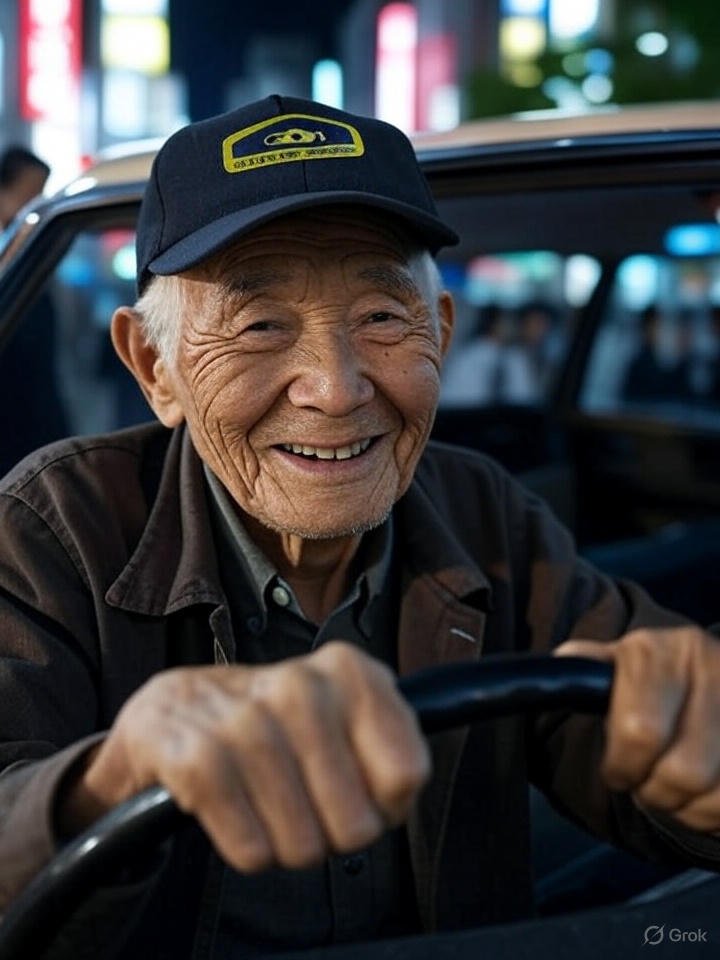
78 साल की टैक्सी ड्राइवर शीमा
एयरपोर्ट से शहर तक की टैक्सी शीमा‑सान चला रही थीं। हाथ मज़बूत, आँखों पर न चश्मा, न झुर्रियों में ढिलापन। रास्ते भर वह मुस्कुराकर बताती रहीं कि उनका “लंच बॉक्स सलाद” कभी नहीं छूटता—हर दिन हरे पत्ते, समुद्री साग और हल्दी का हल्का अचार।
“ननकुरुनाइसा,” उन्होंने कहा, “मतलब—सब ठीक हो जाएगा। जो होना है, उसे सहजता से अपनाओ।” यह उनका जीवन‑मंत्र है। उन्होंने मुझसे किराया लेने से पहले पूछा, “कभी 80 तक जीने का सोचा है?” मैं हँसकर बस इतना कह सका, “अब सोचना पड़ेगा।”
91 वर्षीय छात्र और डॉक्टर सुज़ुकी
अगली मुलाक़ात डॉ. मकोतो सुज़ुकी से हुई, जो 91 की उम्र में भी रोज़ कार ड्राइव करते हैं, नए अंग्रेज़ी शब्द सीखते हैं और अब भी क्लिनिक चलाते हैं। 1975 से वे Okinawa Centenarian Study पर काम कर रहे हैं—दुनिया भर के वैज्ञानिक उनसे सलाह लेने आते हैं।
उन्होंने मुझे लंबी आयु के तीन सूत्र बताए:
-
ननकुरुनाइसा – तनाव को हवा की तरह बहने दो।
-
मोआई – अपने जैसे पाँच‑दस दोस्तों का समूह बनाओ; हर हफ़्ते मिलो, दुख‑सुख बाटो।
-
इकिगाई – रोज़ सुबह उठने का एक गहरा मक़सद तय करो—बागवानी, संगीत, पढ़ाई कुछ भी।
डॉ. सुज़ुकी शाम को समुद्र किनारे धीरे‑धीरे टहलते हैं। “धीमी चाल लंबी चाल है,” वे मुस्कुरा कर बोले।
स्वाद, लेकिन सीमित मात्रा में
ओकिनावा का पारम्परिक खाना दिखने में रंग‑बिरंगा है—शकरकंद से लेकर कड़वे करेले तक, सोया‑टॉफ़ू से समुद्री शैवाल तक। दिन भर में ये लोग 15‑18 अलग‑अलग प्राकृतिक चीज़ें खाते हैं, पर कुल कैलोरी 1800 से ज़्यादा नहीं।
सबसे दिलचस्प आदत “हरा हाची बू” है—यानि पेट 80 फीसद भरते ही रुक जाना। प्लेट छोटी, स्वाद बड़ा; शायद इसी संतुलन ने उनकी कोशिकाओं को समय से आगे बढ़ने ही नहीं दिया।
शरीर को ज़मीन से जोड़े रखना
ज़्यादातर घरों में सोफ़ा कम, टाटामी (फ़र्श) ज़्यादा है। उठना‑बैठना अपने आप में रोज़ाना की “स्क्वाट ट्रेनिंग” बन जाता है। खेतों में काम, घर में बागवानी, या पास के समुद्र में तैराकी—यहाँ कसरत को अलग से “शेड्यूल” नहीं किया जाता; वह जीवन में बुनी होती है।
सामुदायिक धागा: ‘यूइमारू’
शाम ढले गाँव में मैंने देखा—बुज़ुर्ग, बच्चे और जवान एक ही चौक पर इकठ्ठा होकर ताईको ड्रम बजा रहे थे। इसे ‘यूइमारू’ कहते हैं—पड़ोसी भाव, आपसी मदद, और सामूहिक उत्सव। वैज्ञानिक कहते हैं कि ऐसा सामाजिक तानाबाना तनाव के रसायनों को घोल दे ता है, और यही इम्यून सिस्टम को मज़बूत रखता है।
“ब्लू ज़ोन” से निकली प्रेरणा
ओकिनावा उन पाँच वैश्विक “ब्लू ज़ोन” में से एक है जहाँ शतायु लोग आम हैं—सारदीनिया, निकोया, इकारिया और लोमा लिंडा इसकी ‘भाइयाँ’ हैं। इन सब जगहों में इकिगाई, सामुदायिक सहयोग, वनस्पति‑प्रधान भोजन और सीमित कैलोरी जैसी कड़ियाँ एक जैसी मिलती हैं।
अपने लिए सबक
सफ़र ख़त्म होते‑होते मैंने शीमा‑सान को फिर से देखा; वह टैक्सी पॉलिश कर रही थीं। मुझे देखकर बोलीं, “अगली बार जब मिलें, तुम्हें मोआई का दोस्त बना लूँगी।” मैं मुस्कुरा दिया, मगर मन ही मन तय किया—
-
हर सुबह इकिगाई लिखूँगा,
-
दोस्तों का एक भरोसेमंद मोआई बनाऊँगा,
-
और खाना खाते वक़्त हरा हाची बू याद रखूँगा।
शायद हम सबके भीतर भी एक छोटा‑सा ओकिनावा छुपा है—बस दरवाज़ा खोलने की देर है। तब 100 साल जीना एक सपना नहीं, नया “नॉर्मल” बन सकता है।
Power to leave the past
Good morning.
Ever wondered why so many of us suffer—why peace seems so elusive, and unrest or inner chaos keeps coming back in waves? If you look closely at people’s lives (and maybe even your own), you’ll notice a pattern. There’s always a reason behind the suffering—sometimes it’s clear, sometimes it’s hidden under layers of routine and distraction.
But dig a little deeper, and more often than not, you’ll find two major culprits lurking beneath: regret over the past and anxiety about the future.
Future stress—the “what ifs” and the worry about what might happen—can, to some extent, be bypassed or managed. We can plan, prepare, or simply tell ourselves, “Let’s cross that bridge when we come to it.” But the past? The past is tricky. It’s fixed. Nothing can be changed, no matter how much we revisit it in our minds. That’s why, in my experience, the past often remains the biggest offender—the greatest source of unrest, guilt, and chaos in our lives.
Regret is sticky. It clings. Old memories, mistakes, or missed opportunities replay in our heads. We wish we had chosen differently, said something else, or acted with more wisdom. But wishing doesn’t change anything—except our present peace of mind.
Over the years, I’ve seen this not just in others, but in myself too. Letting go of the past isn’t a one-time event; it’s a conscious practice. You have to actively stop yourself from wandering back into that “past realm.” It takes self-awareness, discipline, and, sometimes, a gentle reminder from within: “Don’t go there. Nothing good grows there.”
So what can we do? There are a few powerful techniques that can help:
- Mindful Awareness:
Notice when your thoughts start drifting into regret or “should have” territory. Pause. Label the thought as “the past.” Gently bring yourself back to the present. - Acceptance & Forgiveness:
Accept that you did your best with what you knew at the time. Forgive yourself for being imperfect, for making mistakes. This is what it means to be human. - Gratitude for the Present:
Whenever you catch yourself dwelling on what’s lost, shift your focus to what you have right now. Make a mental list of things you’re grateful for in this moment. - Set Boundaries With the Past:
You can literally tell yourself, “I’m not going there today.” Sometimes, a firm internal boundary works wonders. - Channel Regret Into Action:
If your regret points to a value or dream that’s still important, see if you can act on it today. Use your past as a teacher, not a prison. - Breathing or Grounding Techniques:
Simple deep breathing, feeling your feet on the ground, or observing your surroundings can anchor you in the now whenever old memories pull you back.
Remember, it’s normal for the mind to wander—but peace comes when we learn to gently steer it back. The more we practice, the more natural it becomes to live in the present, where life is happening.
If you have your own technique, share it. Sometimes, what works for you might help someone else break free from the grip of the past.
Here’s to a lighter, more peaceful today.